Exterior Paint and Michigan Weather: What Makes a Finish Last
A durable Michigan exterior depends on dry surfaces, thorough preparation, the right coating system, and a realistic weather window.
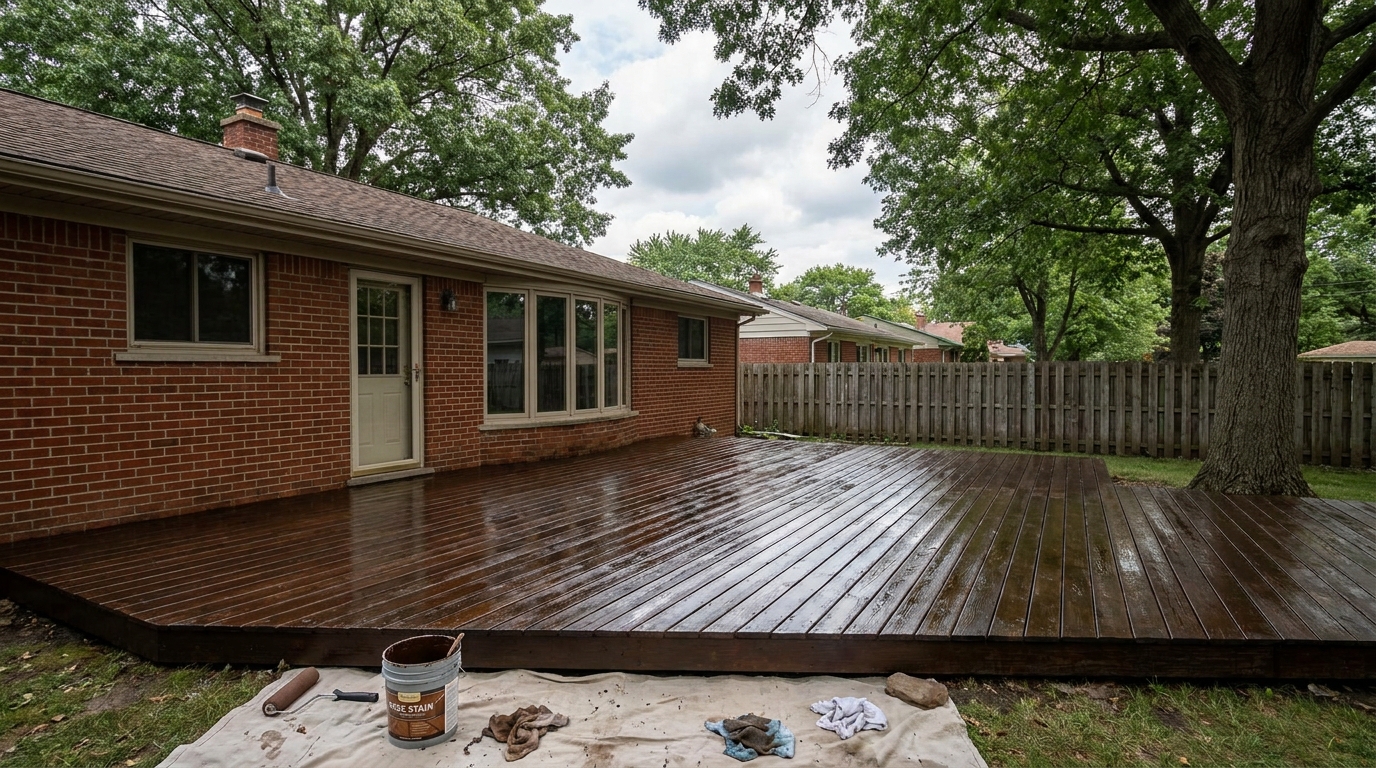
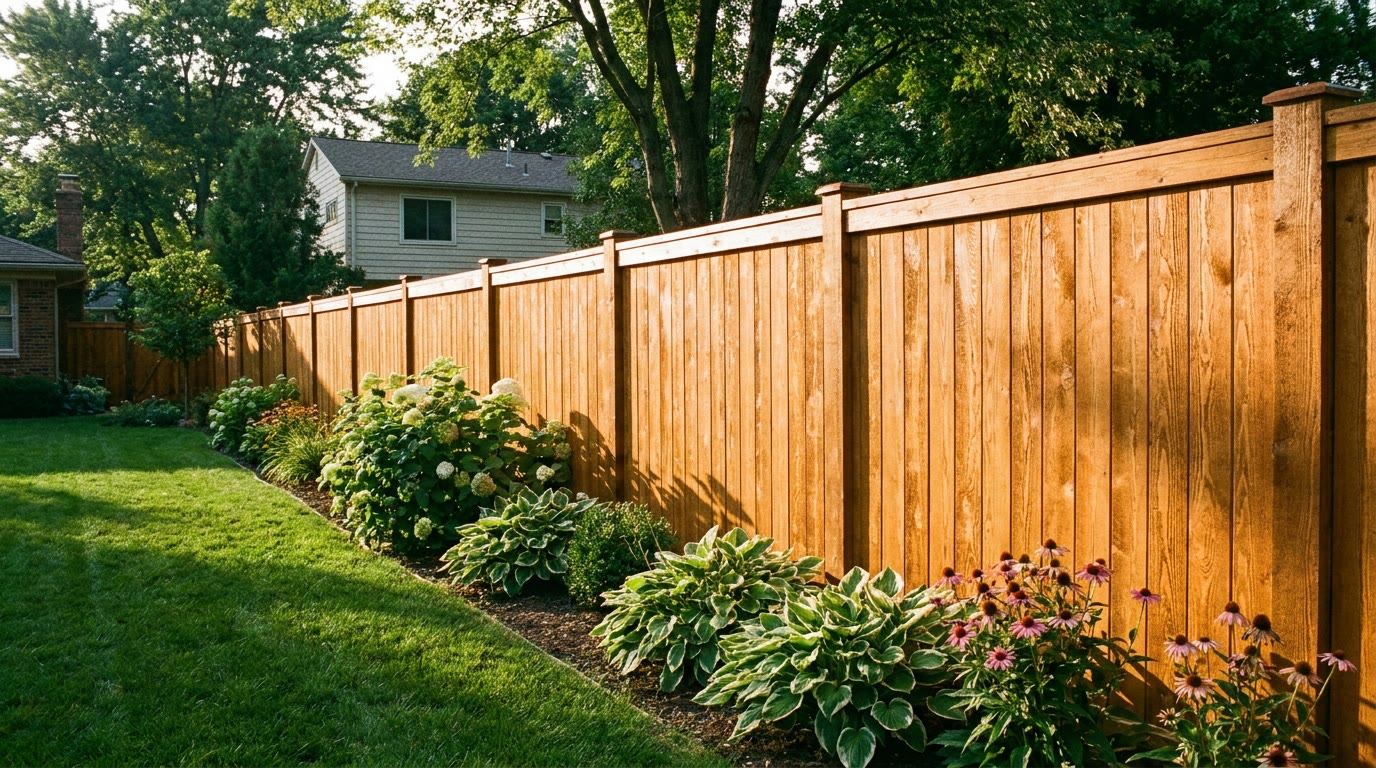
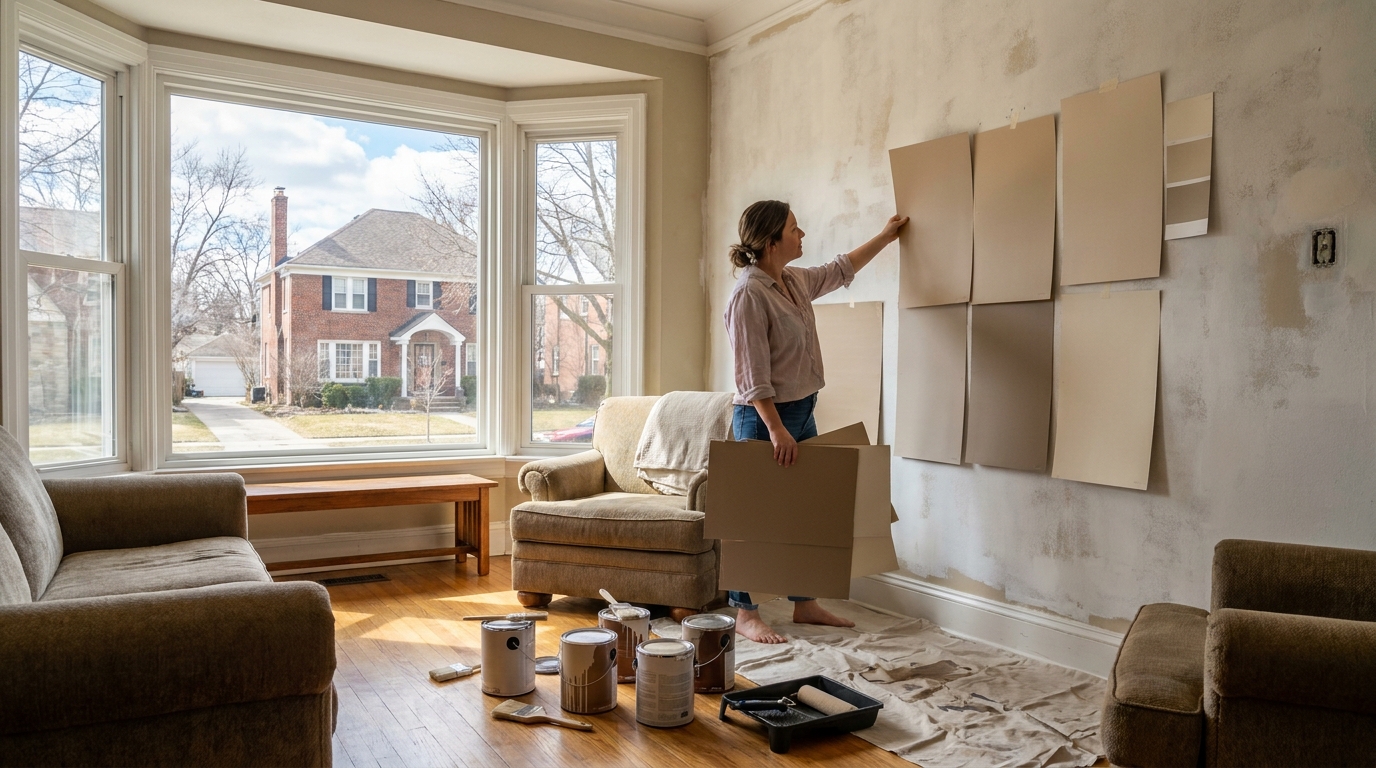
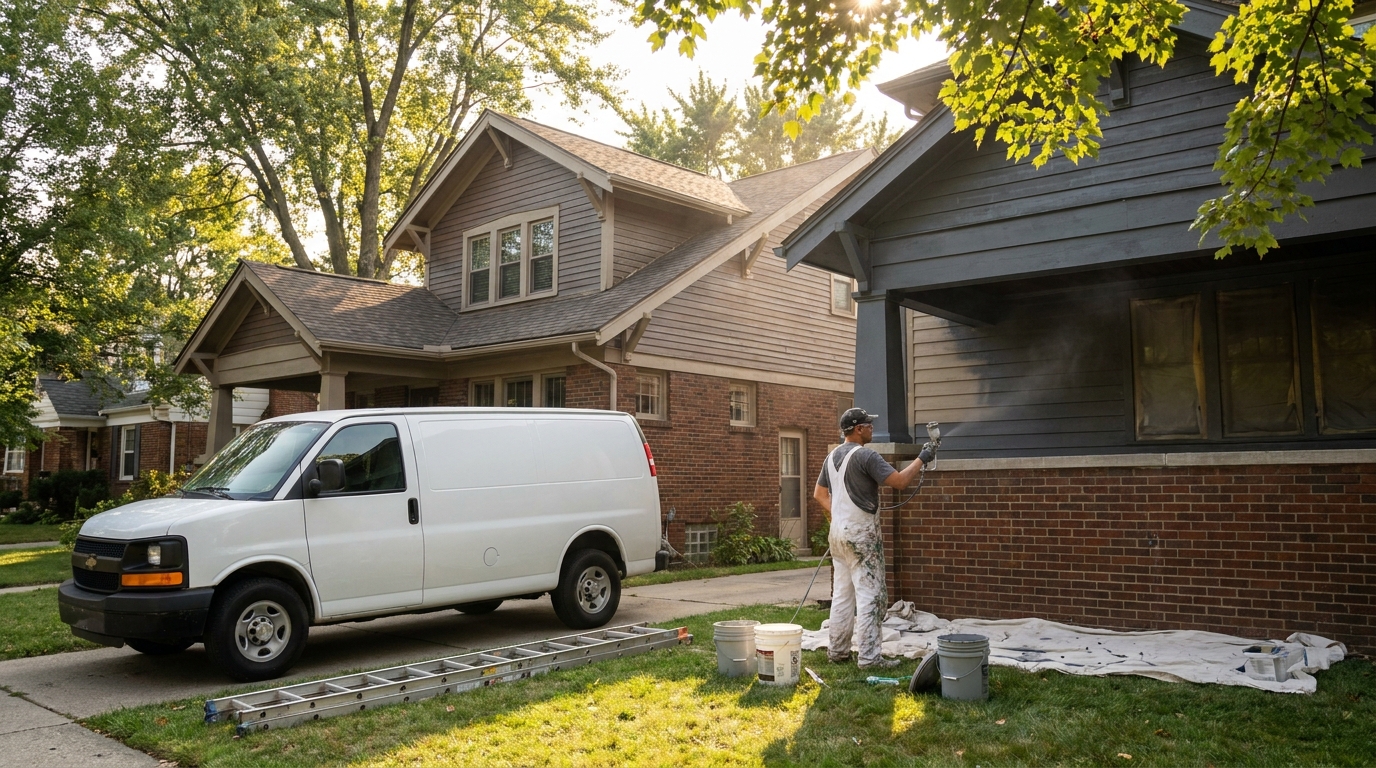
Article images are project inspiration and illustrate the kind of work discussed; they are not presented as completed customer projects.
Michigan exteriors experience freezing winters, humid summers, wind-driven rain, strong sun, and repeated temperature swings. A coating can look fresh when the crew leaves and still fail early if applied over moisture, loose material, contamination, or an incompatible prior finish. Product quality matters, but preparation and timing matter just as much.
For Metro Detroit homes, the goal is not simply to find a warm afternoon. The surface, air, forecast, and cure period all need to fit the coating manufacturer's limits.
Is October too late to paint a house exterior in Metro Detroit?
Usually not. Early and mid October can still work for exterior painting in Metro Detroit, as long as every product on the job is rated for the temperatures you actually get and each coat has a dry afternoon to set before the evening dew. What closes the season here is not a date on the calendar but a run of cold nights, so the decision is made from the label and the forecast, one week at a time.
The numbers to check are on the can, not in the forecast headline:
- The label minimum. Many current exterior latex paints are rated for application down to 35°F or 40°F, while standard formulas, and many primers and caulks, still list 50°F. The lowest-rated product in the system sets the limit for the whole job.
- The surface, not just the air. North walls, masonry, and anything in shade stay colder than the air through a fall morning. A wall that never sees sun can sit below the label minimum on a day the forecast calls mild.
- The night after, not only the day of. Paint keeps curing after it feels dry to the touch. If the temperature drops below the label minimum, or dew settles on the wall before the coat has set, the finish can dry uneven, lose sheen, or show streaks.
- The hours in between. Fall air cools quickly after sunset. Starting after the morning dew has dried and finishing by mid-afternoon gives each coat the warmest part of the day.
In late September 2026, Metro Detroit nights were already dropping into the upper 40s, below the 50°F line some products still carry. That is why a fall job is planned side by side around the forecast, with the sunny south and west walls first and the shaded sides saved for the warmest days.
If a full repaint will not fit the weather that is left, it can wait for late spring, when the siding has dried out after the thaw. The repairs that should not wait are the small ones: open caulk joints, peeling trim, and bare wood let water in through a winter of freezing and thawing, so seal and prime those spots while the label temperature still allows it.
Inspect before choosing a product
Walk every side of the property and note peeling, fading, chalking, open joints, mildew, rust, damaged wood, and areas where water collects. North sides may stay damp longer. South and west exposures often show more sun wear. Lower siding near landscaping can collect irrigation residue and soil.
Correct recurring moisture before coating. Paint is not a substitute for sound gutters, flashing, drainage, or ventilation.
Preparation creates adhesion

A professional scope may include cleaning, removal of loose finish, sanding rough transitions, treatment of compatible stains, paintable caulk at selected joints, and primer on exposed areas. Excessive washing pressure can damage softer wood or drive water behind siding, so cleaning should suit the material. Shaded sections also need enough time to dry.
Match the system to the surface
Brick, masonry, wood, fiber cement, aluminum, vinyl, and previously coated surfaces do not all need the same system.
- Bare or weathered wood may need primer that controls staining and improves adhesion.
- Masonry must be clean, stable, and suitable for a breathable coating.
- Metal needs oxidation removal and compatible corrosion control.
- Vinyl color choices should follow heat and manufacturer guidance.
The proposal should identify the intended primer and finish instead of listing generic exterior paint.
Respect the complete weather window
Temperature guidance applies to the surface as well as the air. Dark siding in direct sun can be far hotter than the forecast, while shaded masonry can remain cold. Rain and evening dew matter because a fresh finish needs enough time to set. High humidity slows drying; wind can carry debris or create overspray risk.
Coatings must also be applied at the recommended spread rate. Stretching material too far reduces protective film thickness. Edges, lower boards, trim profiles, and transitions deserve deliberate coverage because they often weather first.
Inspect the property each spring and fall, keep plants away from coated surfaces, clean heavy dirt gently, and address local wear before it spreads. BH Painting Metro Detroit provides exterior painting across Wayne, Oakland, and Macomb counties with preparation and weather planning written into the scope. Call (313) 236-4558 to talk through your project.
Planning a painting project in Metro Detroit?
Share the property, surfaces, colors, condition, and timing with BH Painting Metro Detroit for a project-specific follow-up across Wayne, Oakland & Macomb counties.